

Ledger Nano X
Industry-Leading Hardware Security
Ledger is the most trusted name in hardware wallets. The Nano X offers Bluetooth connectivity for mobile use, a secure element chip for key storage, and supports over 5,500 cryptocurrencies including XRP. It's the gold standard for securing significant crypto holdings.
XRPL compatibility
Ledger Nano X has full native XRP Ledger support through the official XRP app in Ledger Live. You can send, receive, and hold XRP directly, view your XRPL address and reserve, and sign transactions on-device. Trustlines, the XRPL DEX, and AMM pools are not first-class citizens in Ledger Live, so for active XRPL DeFi you'll typically pair the Nano X with Xaman or Crossmark and use the Ledger as the signer.
Security model
The Nano X uses a CC EAL5+ Secure Element with Ledger's proprietary BOLOS OS. Your 24-word seed never leaves the device, and every transaction is reviewed and approved on the small hardware screen — meaning malware on your phone or laptop cannot silently move your XRP. Bluetooth is opt-in and all communication with the device is end-to-end encrypted.
User experience
Setup takes about 10 minutes: initialise the device, write down the recovery phrase, install the XRP app from Ledger Live, and add an XRP account. Day-to-day use is via Ledger Live on desktop or mobile. The Bluetooth-enabled mobile flow is the main UX upgrade over the cheaper Nano S Plus and is genuinely useful for travelling with the device.
Limitations for XRP holders
Ledger Live's XRP support is intentionally conservative — it does not expose trustlines, AMMs, NFTs, or DEX trading. The 2020 customer-data breach also remains a real concern for some users, even though it did not affect device security. If those features matter, treat the Nano X as a signer behind a richer XRPL wallet rather than a one-stop app.
Alternatives worth considering
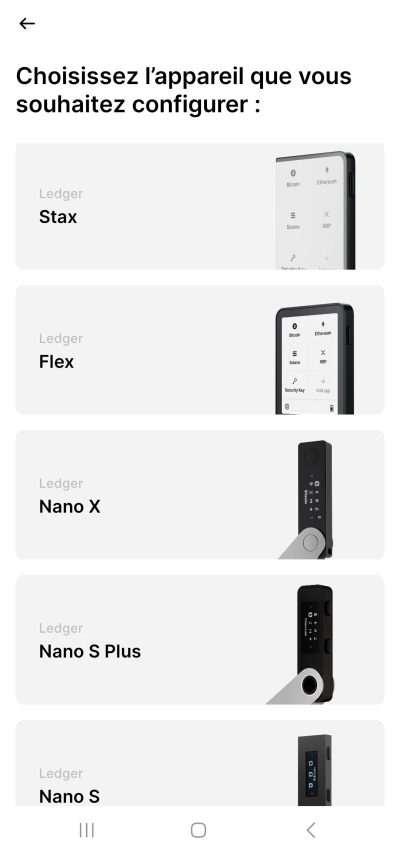
If you want a more XRP-native cold-storage experience, Tangem offers a card-form-factor with no seed phrase. If open-source firmware matters more than Bluetooth and broad coin support, Trezor Safe 3 is the obvious cross-shop. For active XRPL DeFi without a hardware wallet, Xaman remains the strongest mobile choice.
Compare alternatives
In-Depth Review
Overview and First Impressions
The Ledger Nano X has earned its reputation as the industry's most trusted hardware wallet, and for good reason. With over six million units sold worldwide and a track record stretching back to 2014, Ledger has become synonymous with secure cryptocurrency storage. The Nano X represents the company's premium offering, adding Bluetooth connectivity and expanded storage capacity over the more affordable Nano S Plus, making it the go-to choice for serious investors who want to manage their portfolio on the move.
Unboxing the Nano X reveals a compact, well-built device that resembles a USB flash drive. The matte black finish and brushed metal swivel cover give it a professional feel. The small OLED screen and two physical buttons are deliberately simple — every interaction requires you to physically verify transaction details on the device itself, which is the cornerstone of hardware wallet security.
User Experience and Daily Use
Setting up the Ledger Nano X involves installing the Ledger Live desktop or mobile application, initializing the device, writing down your 24-word recovery phrase, and installing apps for each cryptocurrency you want to manage. The Nano X supports over 5,500 coins and tokens, and its expanded storage means you can have up to 100 apps installed simultaneously. For XRP holders, the XRP app provides full support for sending, receiving, and managing your account on the ledger.
The Bluetooth feature is what sets the Nano X apart from its cheaper sibling. You can pair it with your smartphone and manage transactions through the Ledger Live mobile app without needing a USB cable. In practice, this means you can sign XRP transactions from your phone while your Nano X sits in your pocket or bag. The Bluetooth connection is encrypted and the device still requires physical button presses to confirm transactions, so the wireless connection does not compromise security.
Security Architecture
Ledger's security model is built around a certified secure element chip (ST33J2M0) — the same type of chip found in credit cards and passports. This chip stores your private keys in a tamper-resistant environment that is designed to withstand physical attacks, side-channel attacks, and fault injection. The device runs Ledger's proprietary operating system (BOLOS), which isolates each cryptocurrency app in its own sandbox, preventing one compromised app from accessing another's data.
The 24-word recovery phrase is generated on the device during setup and is the sole backup for your funds. Ledger also supports an optional passphrase (sometimes called the 25th word) for plausible deniability and additional security layers. It is worth noting that in 2020, Ledger experienced a data breach of its e-commerce database — customer names and addresses were exposed, though no device keys or funds were compromised. The incident highlighted the importance of operational security beyond just the hardware itself.
Who Should Use Ledger Nano X
The Ledger Nano X is the right choice for users who hold significant cryptocurrency portfolios across multiple blockchains and want a single, battle-tested device to secure them all. Its multi-chain support is unmatched, its security track record is extensive, and the Bluetooth connectivity makes it practical for regular use. For XRP holders specifically, the Nano X pairs well with Xaman for day-to-day XRPL interaction while serving as the secure vault for your larger holdings.
The main drawbacks are the price — at $149 it is one of the more expensive hardware wallets — and the reliance on Ledger Live software, which some privacy-focused users find concerning due to its closed-source nature. If you are looking for maximum XRPL ecosystem access (DEX, NFTs, AMM), you will need to pair the Nano X with a software wallet like Xaman, as Ledger Live does not support these features natively.

Alternatives to Ledger Nano X
If this wallet isn't quite right for you, here are the closest alternatives we'd recommend.

Security-focused users who value open-source transparency and want a trusted, affordable hardware wallet.
Users who want hardware security without the bulk. Great for those always on the go.
Visitor reviews
Frequently Asked Questions about Ledger Nano X
Pros
- Industry-leading security reputation
- Large screen for transaction verification
- Bluetooth for mobile convenience
- Massive cryptocurrency support
- Active development and updates
- Strong community and support
Cons
- Higher price point
- Bluetooth adds complexity
- Ledger Live required for full features
- Past data breach concerns
Key Features
Security Features
Best For
Serious investors with significant holdings who want maximum security and multi-coin support.
Related XRP wallet content
Free: XRPL Wallet Starter Kit
Get our setup checklist, security tips, and the same shortlist we'd give a friend asking about Ledger Nano X.
- Step-by-step Xaman setup checklist
- Hardware wallet buying guide (PDF)
- 5 mistakes new XRP holders make
Affiliate link - we may earn a commission at no extra cost to you